
“This is the burden [prophecy] against the Desert by the Sea: Like whirlwinds sweeping through the Negev, an invader comes from the desert, from a land of terror” (Isaiah 21:1).
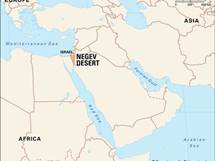
Introduction to Isaiah 21. It presents prophetic messages about the fate of Babylon, Edom, and Arabia. The chapter predicts that Babylon will be destroyed by the Medes and Persians, cautions Edom about their impending judgment, and announces that Arabia will also fall, highlighting the results of their choices and affirming the inevitability of divine judgment.
Isaiah 21 is a prophetic chapter in the Hebrew Bible that contains three main oracles, each addressing different nations and events. Here’s a three part breakdown.
Oracle Against Babylon (Verses 1–10)
- Theme: The “Desert by the Sea” refers to Babylon. Isaiah describes a vision of turmoil and destruction coming upon Babylon.
- Imagery: The prophet sees a harsh vision—invaders from Elam and Media will overthrow Babylon. The language conveys urgency and dread.
- Key Point: Babylon, once powerful, will fall suddenly. This prophecy anticipates the historical conquest of Babylon by the Medes and Persians.
2. Oracle About Edom (Verses 11–12)
- Theme: A watchman is asked, “What of the night?”—symbolizing Edom’s uncertainty and fear.
- Response: The watchman says morning is coming, but night will return—meaning temporary relief followed by renewed trouble.
- Key Point: Edom’s future remains bleak, with no lasting security.
3. Oracle About Arabia (Verses 13–17)
- Theme: Refugees from Arabia seek shelter due to war and hardship.
- Prediction: Within a year, Arabia’s glory will fade, and its warriors will be few.
- Key Point: Even strong desert tribes will face decline.
Overall Message: Isaiah 21 emphasizes the fragility of nations that seem secure. It warns that pride and reliance on worldly power led to downfall, while God’s sovereignty prevails.
These three examples of Babylon, Edom, and briefly discussed in the above are just that. They a short. Each is best studied as three distinct Bible passages, then put into the setting of history. In the Bible, the number 21 often signifies great wickedness, rebellion, and judgment, stemming from the Israelites’ numerous sins in the wilderness (like despising manna and grumbling). Each leading to God sending fiery serpents as punishment. Each for shadows Jesus’s crucifixion as the cure for sin, as seen in Numbers 21 and John 3:14-15. It’s linked to Zedekiah, the last disobedient king of Israel, and sometimes represents a turning point or spiritual culmination, representing a new level of sin or a significant spiritual event.
Rev. Dr. Jstark – 2026


 AHA Bible Moments